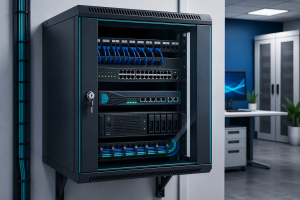
Most breaches stem from simple gaps that grow over time. Cyber security consultancy gives you clear advice and a practical plan that reduces risk while keeping work smooth for your teams.
What Risks Are Hiding In Your Current Setup?
Old software, reused passwords, and shadow tools create weak points that are hard to see from inside the day job. An external review maps your key systems and data flows to find the most likely points of failure and the fastest ways to fix them. With cyber security consultancy you get a short list of priorities with owners and dates you can track without guesswork.
How is an External Security Review Carried Out?
Consultants will review admin rights, patch status, and how healthy your backups are. The output is a plain summary that rates each issue by impact and effort. You can then decide what to handle now and what to hold off for later. Cyber security consultancy keeps the review tight so teams carry on with service while the plan takes shape.
A useful review also builds a clear inventory. You get a list of devices in use, key user accounts, and suppliers that connect to your systems. The team checks who can sign in from home, how files are shared with clients, and which tools have crept in without approval. Findings are grouped by business risk so leadership can see what matters most. Deliverables are simple. Expect an action tracker and a note that explains any urgent fixes. A clear handover makes it easy to start work the same week.
Where do Cost Savings Usually Come From?
Security spend is easier to control when licences and tools match how people work. You trim waste by turning off unused features and removing duplicate vendors. You avoid fines and downtime because higher risk items move first. Over time, cyber security consultancy helps you swap ad?hoc work for small, planned changes that cost less and deliver more.
Planned protection also prevents expensive recovery work after an incident. A short outage can halt orders and support, which costs more than a month of preventive tasks. Scheduling small upgrades and closing common gaps reduces downtime and lowers the chance of paying for urgent call?outs. Some insurers recognise documented controls and may offer smoother renewals, which keeps total cost lower over the year.
How do You Raise The Baseline With Simple Controls?
Good basics make the biggest difference. Set multi?factor sign?in on admin accounts, then expand to the rest of the estate. Keep devices up to date and check that backups can be restored in a test. Also, tighten who can make changes in core systems. These steps reduce avoidable risk and calm any noise within support teams. With cyber security consultancy you can agree the order, set clear owners, and prove that each control is in place.
What Training Helps People Make Safer Choices At Work?
Human error causes many incidents, so training needs to be short, regular, and practical. People learn best with simple examples from their own tools and a way to ask questions.
- Short sessions that explain how to spot risky links and requests
- Simple guidance on using company data at home and on the move
- How to report a mistake quickly to limit damage
- Team briefs before known busy periods or campaigns
Reinforce the messages with quick reminders on the tools staff use daily. Cyber security consultancy shapes this plan, so managers know what to cover and when.
How to Prepare For Compliance Without Jargon
Many SMEs need to show proof to customers and insurers. A good partner explains requirements in plain English and maps them to your environment. Evidence is filed in one place, so audits are quicker. With expert guidance you can work towards badges such as Cyber Essentials or sector standards at a pace that fits your team.
What Does an Incident Plan Look Like in Practice?
Incidents feel chaotic unless roles are clear. A simple plan lists who leads, who talks to customers, and who gathers evidence. Contact details live in more than one place and are checked each quarter. The goal is to contain the issue fast and keep records, then restore normal service in a controlled way. Cyber security consultancy helps you test the plan, so people know what to do if something goes wrong.
A tabletop exercise walks the team through a simple scenario and checks who does what. Contacts and checklists are updated after each run-through so the next response is faster.
Which Metrics Show That Risk is Dropping Each Month?
Business leaders need a few numbers that show progress without noise. Start small and keep the format constant so trends are easy to read.
- Percentage of devices that are fully patched
- Number of accounts with admin rights and how that changes
- Time to remove access when staff leave
- Backup success rate and time to restore in a test
- Phishing report rates and click rates after training
Use these results to steer the next steps. This approach turns data into a simple action list that your teams can deliver.
Good reporting links a measure to a decision. Set thresholds that trigger a task, such as reviewing access if the number of admin accounts rises. Keep the baseline from the first month so you can show real improvement in the quarter. Monthly check?ins let owners explain changes and ask for help where needed. A steady rhythm makes progress visible and builds trust in the programme.
How do You Phase Security Changes Without Disruption?
Security changes land best when they arrive in short bursts. Tackle the highest risks first then retire unused tools. Plan small upgrades that lift stability. Give each task a clear owner, a deadline, and a single success check. Keep weekly check?ins to remove blockers early. With cyber security consultancy you get steady progress without flooding staff with change.
Clear communication keeps people on side during rollout. Publish changes in advance, explaining what will look different, and give teams short how?to notes and a contact for questions on the day. The service desk should know the plan so they can guide users and keep work moving.
How do External Specialists Support an In-House IT Team?
A strong partner respects the knowledge you already have. They handle analysis and planning so your staff can keep support steady. Knowledge transfer is built in, so your people understand how to repeat the steps. Over time the outside help reduces while your team runs the process with confidence. External support can also provide cover during holidays or peaks, so service stays smooth.
When Should Meaningful Security Gains Show Up?
You should see fewer repeat incidents and clearer reporting. Staff will know how to report problems and where to find the guidance they need. Managers will have access to a small dashboard that shows patching and access control. The first phase proves the model, which makes the case for the next set of improvements. Cyber security consultancy builds momentum that you can measure and trust.
Get Started With Confidence
Security needs to be practical and affordable to work long term. We will review the key areas, share a plain summary, and agree the first set of actions. With cyber security consultancy you get expert guidance and steady gains that protect your business without slowing it down. Get in touch with us today.